
The industry's hottest female DJ since 2006.
Marina Trench Explores Emotion And Expression In Music
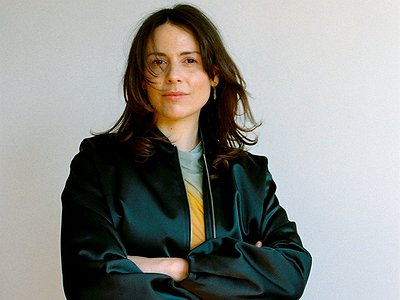
When it comes to experiencing strong emotions as a listener, which albums, performances, and artists come to mind?
When I need to shift into a more introspective, focused, almost minimalist state, I turn to Björk’s album Telegram. It has this calming, meditative quality that really grounds me. I especially love “I Miss You (Dobie Rub Part One Sunshine Mix)” — there’s something deeply hypnotic about it.
And when I’m craving intensity and high energy, I go straight to Eris Drew’s SoundCloud mixes. The way she builds her sets feels so alive and radiant — her track selection and technique are consistently inspiring.
Sade has always been an essential reference for me. Her music creates a very distinct atmosphere, and her voice still gives me goosebumps. I often return to her live performance at the Montreux Jazz Festival in 1984; there’s a kind of restrained melancholy in it.
There can be many different kinds of emotions in art – soft, harsh, healing, aggressive, uplifting and many more. Which do you tend to feel drawn to most?
I’m especially drawn to comforting emotions — the ones that soothe something deeper, carrying a sense of optimism, love, and passion, with a kind of quiet euphoria.
At the same time, what really matters to me are the nuances within those feelings. Emotions are rarely one#dimensional; they can be contradictory, paradoxical, or shift in unexpected ways. I’ve always been interested in how these different facets coexist, like feeling both happy and melancholic at once.
I have had a hard time explaining that listening to death metal calms me down. When you listen to a song or composition, does it tend to fill you with the same emotions – or are there “paradoxical” effects?
Emotions are hard to control, so I’ve definitely experienced that gap between what I expect to feel and what actually happens. Sometimes I think a track is going to hit a certain way, and it just doesn’t.
Context plays a huge role, too. I’ve had real crushes on tracks I first heard in a club or live setting, and then when I listen to them at home, the feeling is almost gone — which I find quite strange. It shows how much the environment physically and psychologically shapes the emotional impact.
In as far as it plays a role for the music you like listening to or making, what role do words and the voice of a vocalist play for the transmission of emotions?
I think that’s really the human element in a track. A voice brings warmth — it’s something everyone can relate to, but at the same time it’s always unique. There are so many subtle things in the way a voice carries emotion.
When I write my own lyrics, I’m not really thinking in full sentences. It’s more about words, or even fragments. In house music especially, vocals often come in pieces, and I like that — it leaves space for interpretation.
Most of the time, I only realise afterwards that the words I chose were actually reflecting how I felt in that moment. It’s quite unconscious, the way it comes out.
When it comes to experiencing emotions as a creator, how would you describe the physical sensation of experiencing them?
It often starts as a kind of movement building up inside me. There’s this almost irresistible urge to move, like my body reacts before my mind really catches up. I’ve always loved letting emotions pass through me physically, through dance or just flow. It’s not something I overthink — it just happens.
Sometimes it’s very subtle; even a smile can be a sign that something is shifting inside. It’s less about identifying the emotion and more about letting it circulate.
When it comes to composing / songwriting, are you finding that spontaneity and just a few takes tend to capture emotions best? Or does honing a piece bring you closer to that goal?
In my process, when I’m playing parts — whether it’s keys, bass, a lead, or vocals — the first take is often the most accurate emotionally. There’s something about that spontaneity that brings a kind of raw honesty. When I try to replay the same part too many times, it can lose that feeling, like the emotion fades a bit each time.
But at the same time, I do spend a lot of time refining the track. I add more technical details, work on the structure, and shape the overall narrative so it feels cohesive. It’s almost like the core idea comes in a very instinctive, free way, and then the production process gives it clarity and depth, bringing it to a more finished, professional place.
How much of the emotions of your own music, would you say, are already part of the composition, how much is the result of the recording process?
I’d say it’s quite balanced — maybe fifty#fifty, but not in a fixed way.
There’s a part of the emotion that’s already there from the very beginning, in the first ideas, the first sounds, the first takes. It’s something very instinctive, almost physical — like a direction that reveals itself without being fully conscious.
But then the recording and production process plays a different role. It’s not about adding emotion; it’s more about shaping it, giving it space to exist properly. Through mixing, arrangement, and sound design, I try to make that initial feeling more readable, more tangible.
So the composition carries the impulse, and the studio work helps translate it.
For the Watching Back EP, what kind of emotions were you looking to get across?
With this release, I wanted to stay close to who I really am. There’s something bright and playful in it, but also a certain sensitivity underneath.
At the same time, I was trying to express something more grounded — a sense of depth, but also strength and clarity.
It’s not about a single emotion, but more about holding different energies and states together, and letting them coexist without forcing them into something too defined.
How do you capture the emotions you want to get across in the studio?
Outside of the studio, I often write down what I’m feeling, or I draw — I always have little sketchbooks with me. It’s a first way of giving shape to emotions.
Then, when I’m in the studio, I don’t overthink it. I just start and let things happen quite instinctively. I don’t consciously go back to those notes or drawings, but I feel like they stay somewhere in the background.
What comes out in my music is probably rooted in emotions I’ve already processed in a different way.
What role do factors like volume, effects like distortion, amplification, and production in general play in terms of creating the emotions, energies or impressions you want?
That’s really part of the fine#tuning stage, and it plays a big role. It all comes down to very precise choices.
Working with volume, distortion, or other effects is a way of guiding how a track is felt physically — whether something sits in the background or suddenly comes forward. It can add tension, softness, or intensity. I see it as a way of shaping the energy of a track in a subtle way, almost like adjusting the focus.
These details don’t necessarily change the core emotion, but they influence how it’s perceived and experienced.
In terms of emotions, what changes when you're performing live on stage, with an audience present, compared to the recording stage?
The settings, venues, timing, and line#ups are always different, so each time brings a new dimension. There’s also this rush of adrenaline that puts me in a heightened state before I start playing.
Once I’m into the set, I feel a kind of total joy — I’m very present, very connected. And then afterwards, there’s often a bit of an emotional comedown.
It’s a bit like the whole creative process is condensed and accelerated into a defined moment in time, with a very clear beginning and end.
How does the presence of the audience and your interaction with it change the emotional impact of the music and how would you describe the creative interaction with listeners during a gig?
It feels like a shared experience — a constant exchange of energy and non#verbal communication. A lot happens through eye contact, but also through movement, body language, even the way people smile or react in the moment.
There’s often a kind of mirror effect. If you approach the gig with generosity and openness, you tend to receive the same energy back from the crowd. It becomes very circular.
In a way, the audience is part of the creative process in real time — they influence how the music is felt and how it evolves in the moment.
What kind of feedback have you received from listeners or concert audiences in terms of the experience that your music and/or performances have had on them?
It’s quite simple, really — when people are having a great time and feel fully immersed in the music, that’s the kind of feedback that matters most.
When younger listeners discover my music through a DJ set and tell me they didn’t know this kind of sound and that they love it, it feels very rewarding. And on the other hand, when more experienced listeners — people who really know the scene — say they’ve had a great night, that’s equally fulfilling.
In the end, it’s about connection and reaching them emotionally in some way, even if it’s just for a moment.
Would you say that you prefer to stay in control to be able to shape the emotions or do you surrender to them and allow the music to take over? Who, ultimately, has control during a live performance?
I think it’s all about finding a balance. You can’t let yourself be completely carried away, but you also can’t stay in full control either.
When I perform, I’m offering an artistic proposal, and the idea is for it to be received and shared in the best possible way with the audience.
For me, the best moments are when there’s a real alignment between my emotions, my artistic sensitivity, and the energy of the crowd. That’s when it really comes alive in a good balance.
The emotions that music is able to generate can be extremely powerful. How, do you think, can artists make use of this power to bring about change in the world?
Being able to evoke strong emotions through music is something both unique and precious. I think artists have a responsibility to protect that power, even when the world feels heavy and difficult.
Music has this ability to inspire dreams, to bring people together, and to create moments of shared emotion. For me, that’s where its real strength lies — in the sense of community it creates.
It’s through that connection, and the way people experience things together, that music can quietly contribute to change.
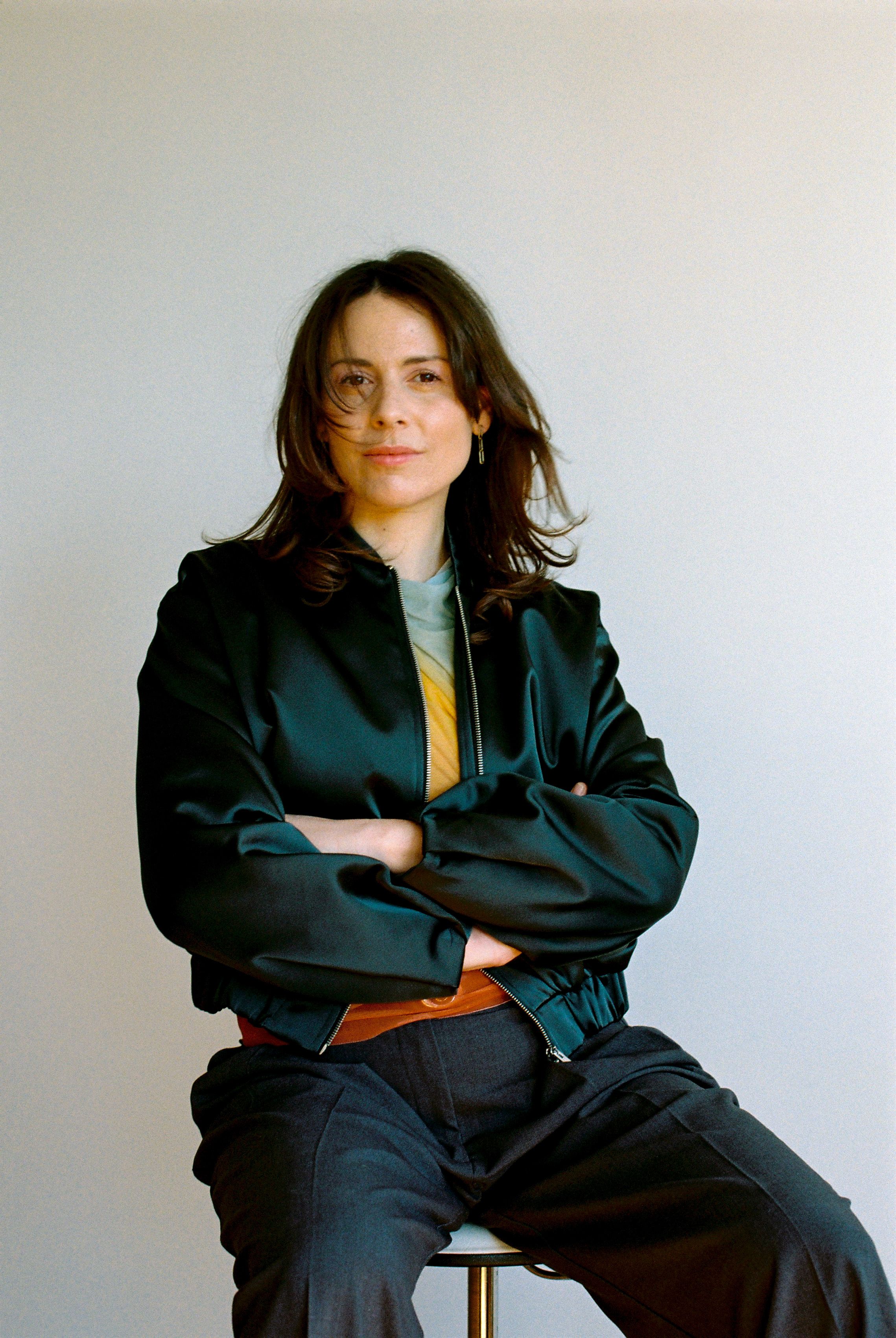
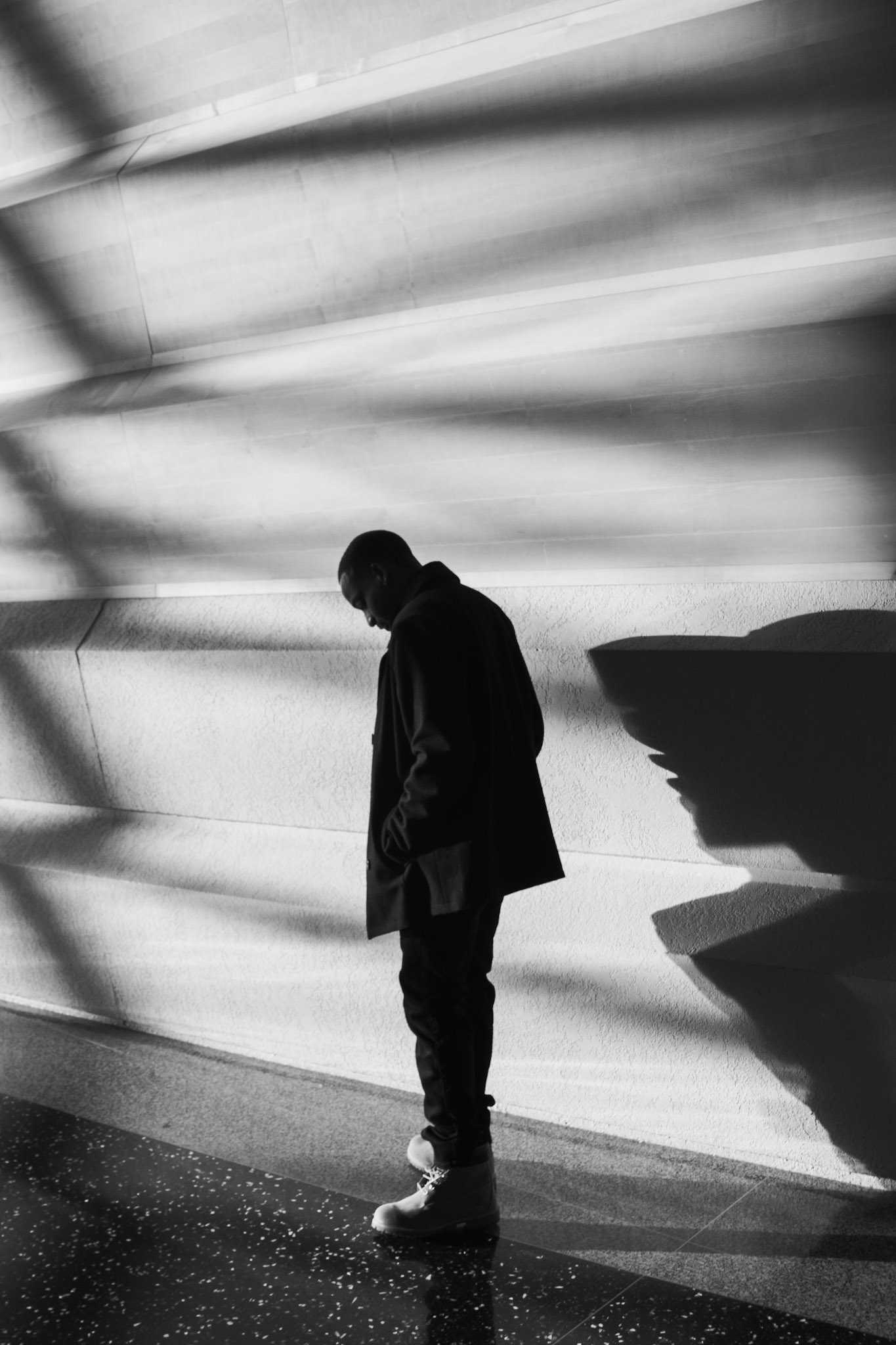
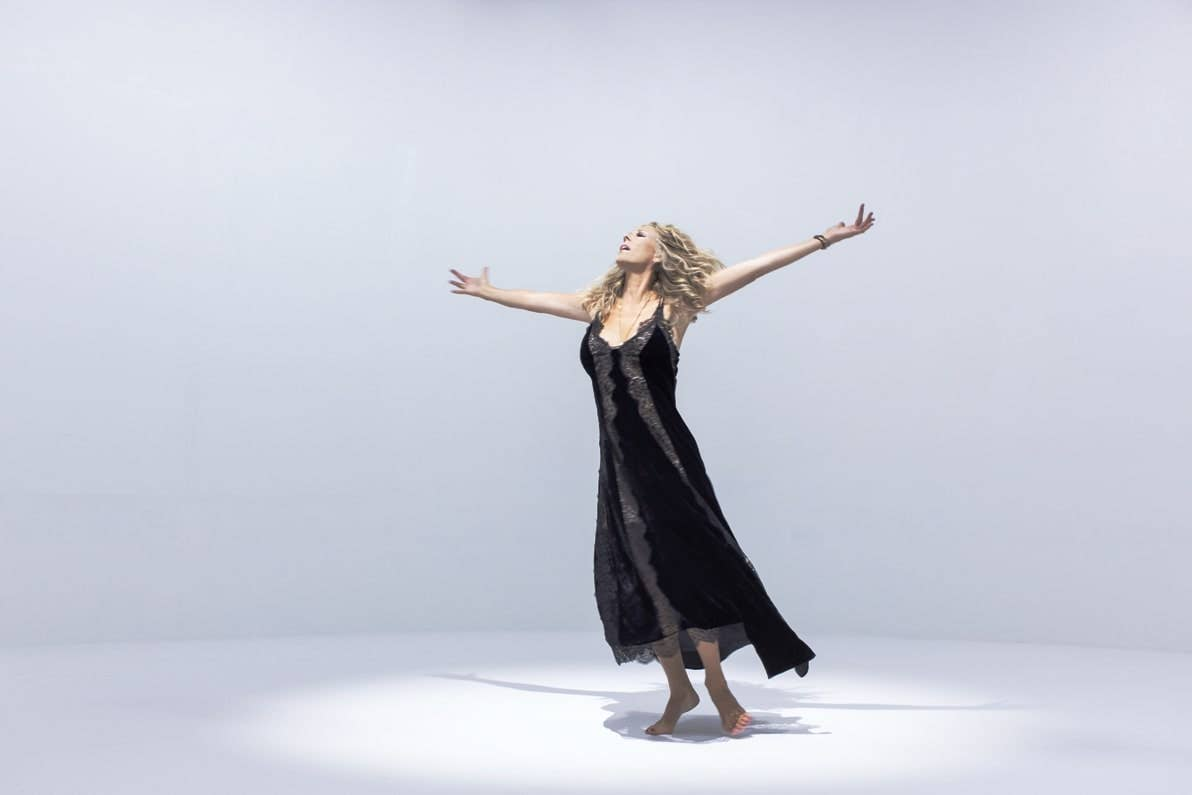
Marina Trench Interview Image by Hugo Lascoux
“What comes out in my music is probably rooted in emotions I’ve already processed in a different way.“
Video
COMMENTS
You Might Also Like
ADS

Editor's Choice


.jpg)